

Yes, you might think that we have enough traditional biscuit recipes for the festive season in Austria, and now I'm bringing Sweden into the mix. To be honest, I wouldn't have thought of it myself if Pinterest hadn't suddenly decided to show me Swedish recipes. And those of you who use Pinterest will know what I mean: once you click on a pin, your entire pinboard is filled with it.
In any case, my pinboard suddenly became Swedish. Swedish cakes, Swedish cookies, everything Swedish. Incidentally, I don't speak a word of the language, and I thought deciphering it would be easier. Fortunately, there's Google Translate (although you still need a certain amount of interpretative imagination).
What immediately impressed me about Swedish biscuit recipes is that they are extremely straightforward. Most of them are simple to bake and ready to serve. No filling, no glazing. Straight from the baking tray to the biscuit tin, so to speak. This makes them an excellent way to begin the pre-Christmas baking season, as it is essential to get into the spirit.
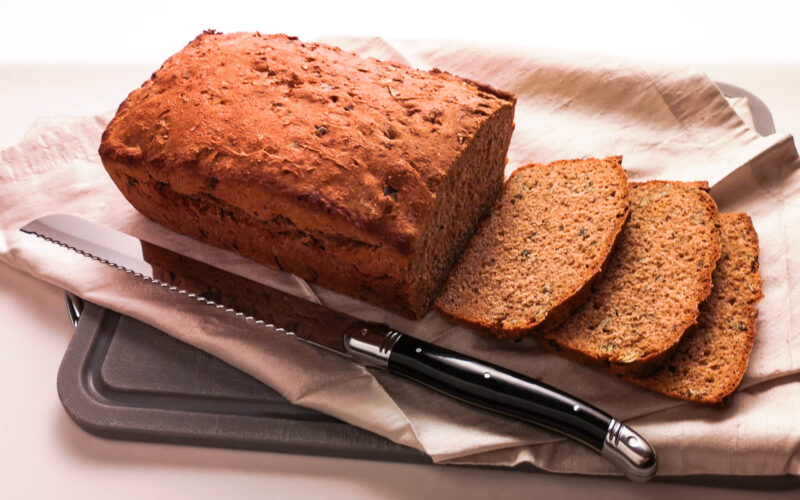
I was inspired by Pinterest to make this version of Swedish chokladkakor (chocolate biscuits) . They're quick to make! This recipe is also ideal when your aunt spontaneously announces she's coming over for afternoon tea, because you always have the ingredients at home. They're a bit like the well-known Italian cantuccini.


Übrigens hätte ich gedacht, dass ich mir leichter damit tue, schwedische Rezepte zu lesen. Von Aussprache kann ja sowieso keine Rede sein. Aber sooo gleich wie Deutsch ist es eben dann doch nicht. Butter heißt zum Beispiel Smör. Endlich weiß ich also, was smörgås heißt: Butterbrot! So einfach! Wobei ein smörgås in Schweden nicht automatisch nur ein Butterbrot ist (und da kommt schon die Inspo für nächste Rezepte…). Socker heißt Zucker und Mjöl heißt Mehl. Mit ein bisschen Fantasie kommt man hin. Und ich finde die Worte einfach süß! Mjööööl! Ich meine, da bin ich ja gleich schockverliebt in diese Sprache!
Swedish chokladkakor are a real hit and have now been added to my standard Christmas biscuit repertoire! Because they are not glazed, they at least appear to be lower in calories than other biscuits. Self-deception is a wonderful thing.
Ha så kul! Have fun baking! 🙂
Svenska Chokladkakor
Ingredients
Method
- Preheat the oven to 200°C top/bottom heat. Line two baking trays with baking paper.
- Knead the flour, butter, sugar, cocoa powder and one of the eggs into a smooth dough. Shape into a ball, wrap in cling film and leave to rest in the fridge for 20 minutes.
- Divide the dough into 6 equal pieces. Roll each piece into a sausage shape with your hands.
- Place three dough rolls on a baking tray and flatten them with your hands so that the dough is about 1 cm thick. It doesn't matter if it looks a little uneven.
- Beat the second egg. Brush the dough pieces with it and sprinkle with coarse sugar.
- Bake the trays one after the other for approx. 14 minutes. Caution: Check regularly, as the dough can quickly develop black edges.
- Remove from the oven and cut into diagonal slices while the baked dough is still hot. It will harden as it cools.
Smørrebröd ist nur leider nicht Schwedisch sondern Dänisch und dort mal so gar keine Bedeutung hat. In Schweden heißt ein Butterbrot ganz anders: smörgås, und bedeutet wörtlich: Buttergans.
Du hast natürlich völlig recht, und ich danke dir für deinen Hinweis und habe das schon geändert.
Buttergans – es wäre lustig sich zu überlegen, was das sein könnte! 😀
Alles Liebe und danke für’s Vorbeischauen!